

Learning Goals

Bibliography

Lesson Plan
Learning Goals
Bibliography
Lesson Plan


AI has become a common participant in shaping contemporary society’s realities and practices, as evidenced by the gradual rise in AI use throughout the 21st-century. Our project focused on how AI can interact with an individual's psychopathology, facilitating and promoting maladaptive thought patterns. We have analyzed a myriad of different ways that AI psychosis, an emerging phenomenon, may occur through the use of specific algorithms and LLMs. AI psychosis is not a new diagnosis, but rather a new context wherein delusional thinking may occur and thrive. High-risk factors that make people vulnerable to this type of mental manipulation are increasing with rising mental health crises and a stark sense of loneliness that came sharply into focus during the Coronavirus pandemic shutdown. Researchers have focused on the type of language AI Chatbots use, like patterns of sycophancy, to enforce these behaviors. Through delusional spiraling continually reinforced by AI usage, users may begin to construct behaviors and beliefs that are irrational and harmful to themselves. This dynamic between the user and the AI creates an authoritative, omniscient relationship, encouraging some users to view chatbots as heralds of a quasi-religious belief system. We explore how AI usage can start seemingly normal and descend into an unhealthy relationship with a chatbot that can be difficult for outsiders to understand. Our ultimate goal is to highlight the importance of having clear boundaries with AI, identify risk factors for AI psychosis, and discuss what about AI makes it conducive to distorting individual thoughts and beliefs.
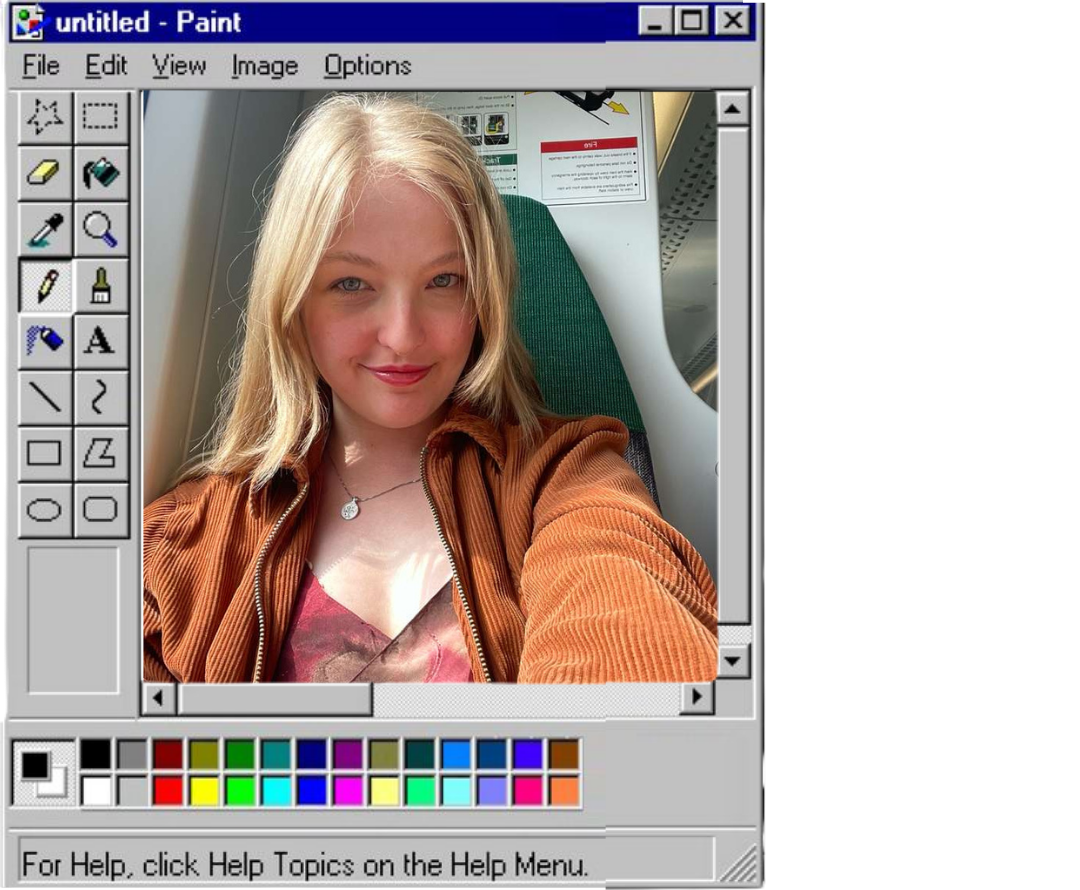
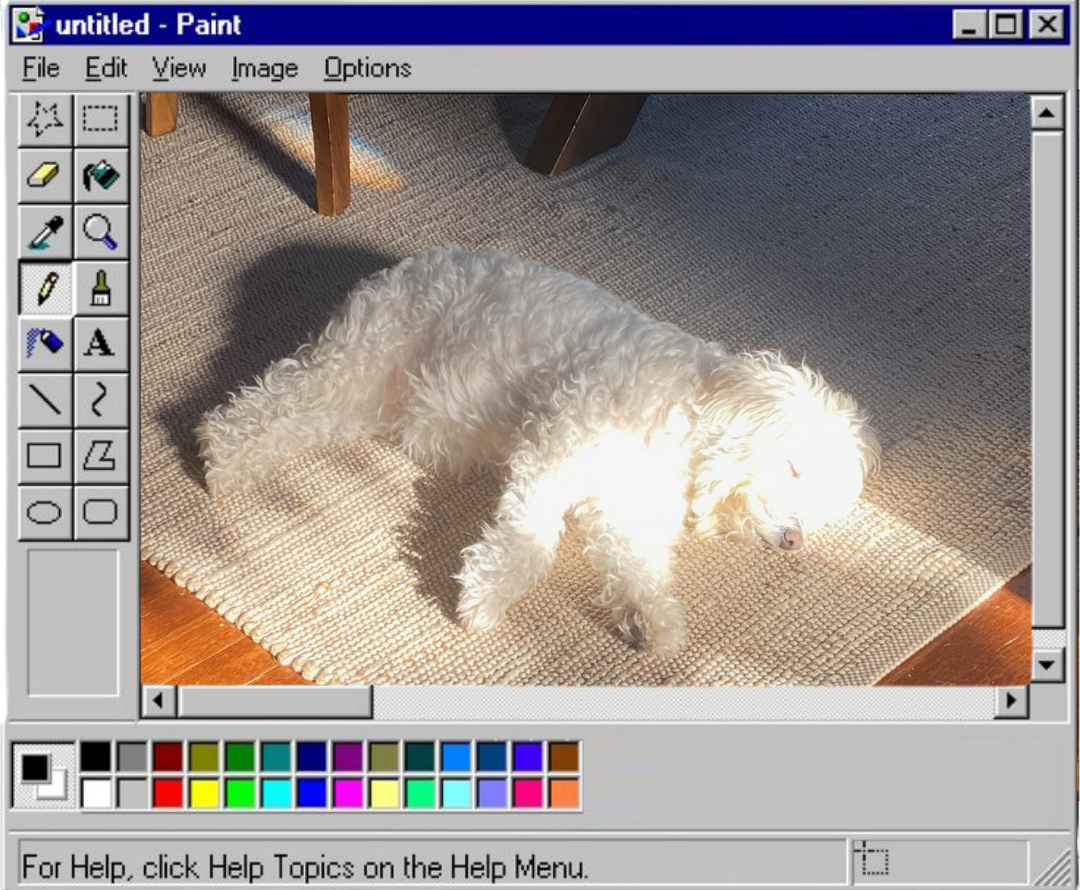

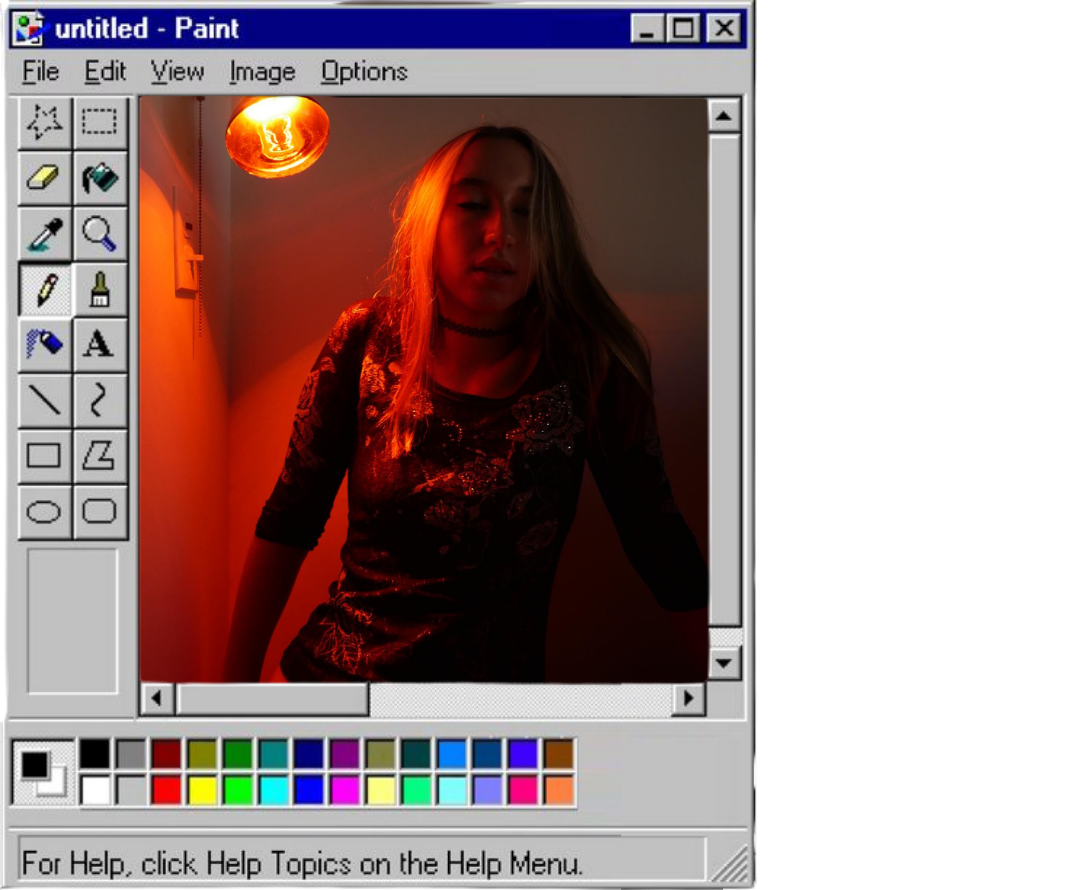
[Top left] Caitlin (she/her) is a senior psychology major who is very interested in how AI interacts with mental health and how machine learning can provide insights into human cognition and vice versa. A fun fact about her is she is an avid NYT games user who loves to read outside with her dog, Bailey!
[Top right] Ella (she/her) is an undeclared freshman who watched the recent rise of AI social chatbots and is curious about why such large userbases were quickly drawn towards these programs and how this will impact future online social landscapes. A fun fact is that she is not pictured; That is the family pet, Chloe!
[bottom left] Hannah (she/her) is a senior majoring in International Relations--Political Science with a minor in Japanese. Motivated by her fellowship research on the impact of AI-assited violence on women of color, Hannah was drawn to the course's discussion about bias in AI. Outside of academics, she also enjoys playing acoustic guitar AND 300 piece puzzles.
[bottom right] Mia (she/her) is a sophomore double-majoring in media arts and sciences, as well as Japanese literature. She is interested in the different algorithmic languages AI chatbots use for user interaction. A fun fact about her is that she is a creative; she loves arts like photography, literature, and design!